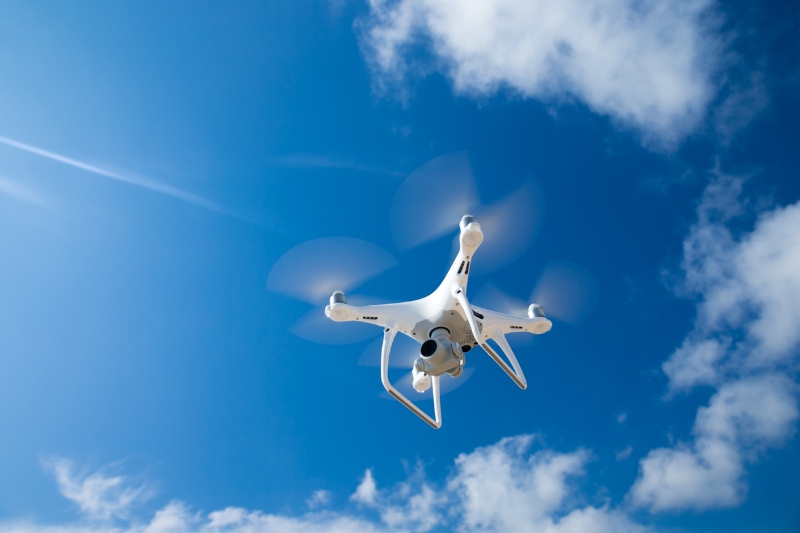
The Republic of Singapore Air Force (RSAF) has announced plans to upgrade its unmanned aerial vehicle (UAV) fleet by introducing Elbit Systems’ Hermes 900 drones to replace its ageing Hermes 450 platforms, which have been in service for nearly two decades. This move is part of Singapore’s long-term SAF2040 modernisation plan, designed to enhance the city-state’s defence capabilities through advanced technologies and improved operational readiness.
The Hermes 900 is a medium-altitude, long-endurance (MALE) UAV with significantly greater capabilities than its predecessor. It can remain airborne for up to 36 hours and operate at altitudes nearing 30,000 feet, while carrying a much larger payload of sensors and equipment for intelligence, surveillance and reconnaissance (ISR) missions. Its advanced sensor suite may include electro-optical/infrared systems, synthetic aperture radar, maritime surveillance radar and satellite communications, enabling more persistent and comprehensive monitoring of land, coastal and maritime environments.
The upgrade reflects Singapore’s strategic emphasis on maintaining persistent situational awareness and resilience amid a complex security environment in Southeast Asia. The Hermes 900’s enhanced endurance, higher operational ceiling and versatile payload options are expected to expand the RSAF’s intelligence-gathering capabilities, including border and maritime surveillance, while supporting rapid decision-making and integrated operations with other defense platforms. Although Singapore has not disclosed a delivery schedule or the exact number of drones to be procured, the transition will be phased to ensure continuity of operations during the handover from Hermes 450 units.
Singapore joins other regional operators of the Hermes 900 platform, reflecting broader global demand for advanced UAV systems that can perform a wide range of military and civil missions with greater autonomy and endurance. The RSAF’s adoption of this next-generation drone underscores its commitment to leveraging unmanned technologies to strengthen national defence and adapt to future security challenges.
(Source: The Defense Post; Aerospace Global News)