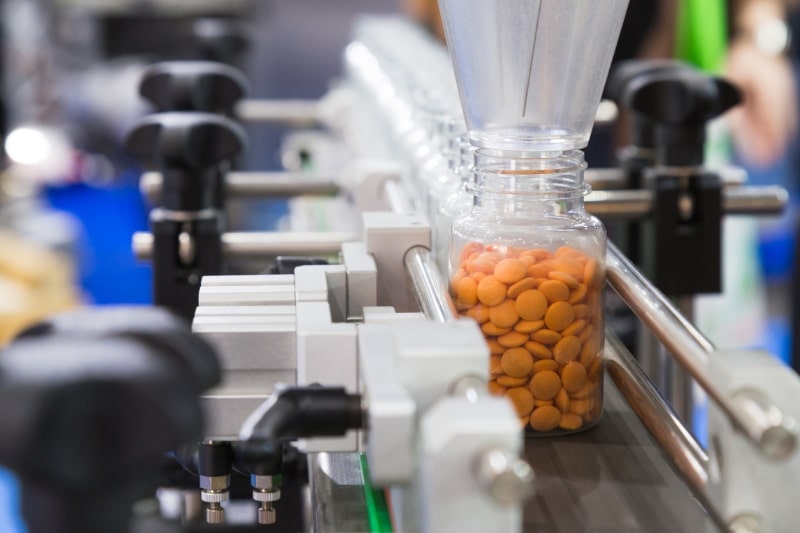
SKPlasma Core Indonesia, a joint venture between South Korea’s SK Plasma and the Indonesia Investment Authority (INA), has announced a major healthcare milestone: the introduction of Indonesia’s first plasma-derived medicinal products manufactured from plasma donated locally. This breakthrough was unveiled alongside National Health Day celebrations, marking the first time that therapies such as SK GammaBio (immunoglobulin) and SK Albumin are being produced from plasma collected from Indonesian donors. Previously, Indonesia relied entirely on imported plasma products, but this development reflects a growing drive for national self-sufficiency in critical medical supplies.
To produce these first locally-sourced products, Indonesian plasma was sent to SK Plasma’s facility in South Korea, where it underwent plasma fractionation and quality assurance before being shipped back for distribution. This interim step will continue until the locally constructed plasma fractionation plant in Karawang, West Java, built by the joint venture, is fully operational. Construction of this facility is more than 98% complete, with commercial production expected by late 2026. Once running, it will enable direct fabrication of essential plasma-based medicines within Indonesia.
Beyond immediate production, the project is also designed to strengthen Indonesia’s biomedical manufacturing capacity and reduce healthcare vulnerabilities tied to global supply chains. The Karawang facility will support technology transfer, workforce training, and the growth of skilled jobs in the biopharmaceutical sector. Initial stages forecast that locally made products could be around 8-10% cheaper than imported equivalents, improving affordability and access for patients, though prices will ultimately depend on regulatory frameworks and market dynamics.
This initiative is part of a broader movement to enhance national health security and reduce reliance on imports. Indonesia currently discards significant amounts of locally donated plasma because there is no domestic fractionation capability. The new facility, once operational, is expected to transform that plasma into life-saving therapies while building a foundation for future expansion and possibly exports.
(Sources: Deal Street Asia; Indonesia Investment Authority)